As an Amazon Associate this site earns from qualifying purchases.
Reviewed by the BrewCrock Editorial Team
Quick Picks: Best Teas for Kombucha at a Glance
| Tea Type | Best For | Rating | Field Notes |
|---|---|---|---|
| Plain Black (Assam, Ceylon) | Primary fermentation, beginners | 10/10 | The gold standard. Never fails. |
| Plain Green (Sencha, Gunpowder) | Lighter, floral batches | 8/10 | Blend with black for best results |
| Oolong | Complex, layered flavor | 7/10 | Pricier; use 50/50 with black |
| White Tea | Delicate experimental batches | 5/10 | Low nutrient content; weak fermentation |
| Pu-erh | Adventurous brewers | 6/10 | Funky, earthy results — polarizing |
| Flavored/Oiled Teas | Never. Truly never. | 0/10 | Will damage or kill your SCOBY |
Last Updated: June 2026 | Written by the BrewCrock Editorial Team
The best tea for brewing kombucha is plain, unflavored black tea — specifically Assam or Ceylon. It delivers the nitrogen, theanine, and caffeine your SCOBY craves to ferment vigorously without stalling. Green tea works beautifully as a blend or once your culture is well-established. Anything with added oils (Earl Grey, jasmine, chai) will eventually kill your SCOBY.
That's the short answer. Here's everything I learned dialing this in over 14 months of weekly batches, three failed cultures, and one very expensive lesson about bergamot oil.
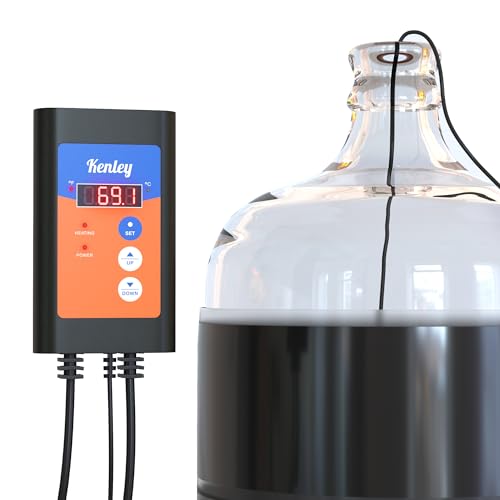
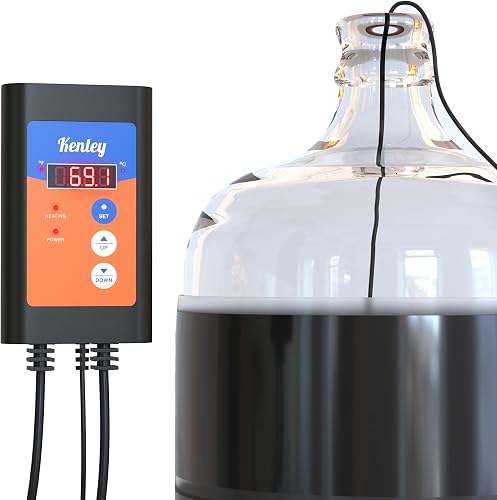
- PERFECT TEMPS, PERFECT BREWS - Whether you're brewing kombucha, wine, mead or beer, the Kenley fermentation heater comes with a temperature controller that allows you to set and
- EASY TO USE - The Kenley kombucha heating wrap is flexible and easy to fit snugly against the carboy. The 32 x 11-inch film simply wraps around the fermenter and is secured with
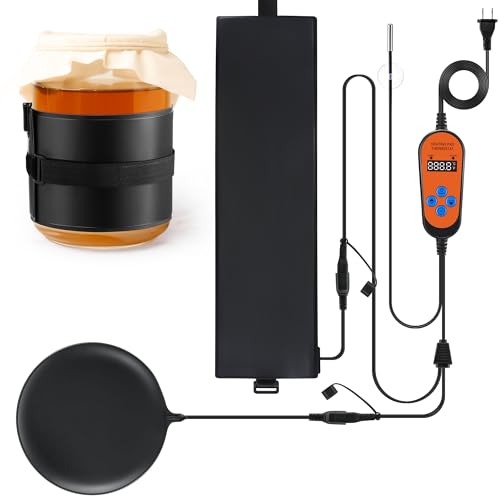
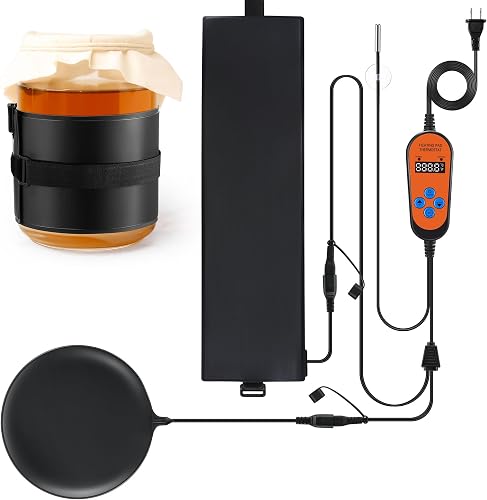
- Versatile Fermentation Solution: Ensure optimal growth for your kombucha, sourdough starter, kefir, yogurt, and vegetables with this 2 pack kombucha heating pad set Designed to
- Precision Control & Flexibility: The fermentation heating pad take full control of your fermentation environment with the integrated digital temperature controller and adjustable
The Problem: Most Kombucha Goes Wrong at the Tea Stage
When my first three batches tasted like flat vinegar with a chemical aftertaste, I blamed the SCOBY. I blamed the water. I blamed the weather.
It was none of those. It was the tea.
I'd been using a grocery-store "black tea blend" that — buried in microscopic print on the back of the box — turned out to contain bergamot oil and "natural flavors." The SCOBY pellicle came out thin, gray, and floppy. A stressed culture trying to ferment in a hostile environment.
Switching to plain Assam loose leaf from a local tea shop changed everything by batch four. The pellicle thickened to about 4mm in seven days at 76°F, fermentation finished on schedule, and the finished kombucha had that clean, slightly tart apple-cider character that good booch is supposed to have.
A weak or stalled fermentation is almost never a SCOBY problem. It's a tea problem. Fix the tea, and roughly 80% of kombucha headaches disappear overnight.
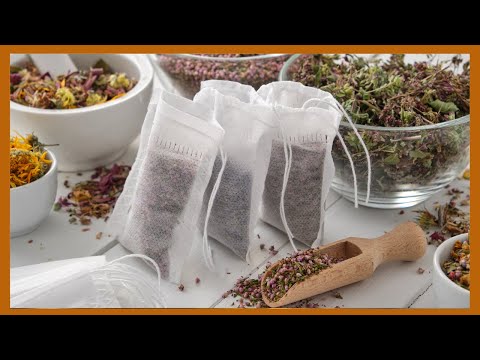
Watch: Why Tea Choice Makes or Breaks Your Kombucha
Why Black Tea Reigns Supreme (The Science Behind the Magic)
Your SCOBY isn't picky for fun. It's a living symbiotic colony with very specific nutritional needs — and plain black tea hits every single one.
- Nitrogen compounds — the building blocks of healthy yeast colonies
- Theanine & tannins — antimicrobial guardians that fend off mold
- Caffeine — the gentle stimulant that wakes up dormant bacteria
- Polyphenols — pellicle-building fuel for that thick, leathery mat
Black tea, fully oxidized and richly tannic, delivers the highest concentration of every compound on that list. Assam, grown in the lush valleys of northeast India, is famously malty and robust. Ceylon, from the highlands of Sri Lanka, is brighter and more crisp. Both work brilliantly. Both are forgiving for beginners.
> Brewer's Insight: If you can only buy one tea this year, make it a one-pound bag of organic loose-leaf Assam. It's the single highest-leverage purchase a home brewer can make.
Green Tea: The Elegant Sibling
Once your SCOBY is established — meaning you've completed three to four healthy batches in a row — green tea opens up a whole new world of flavor.
Think lighter, grassier, almost honeyed. Sencha brings a sweet vegetal note. Gunpowder green offers a smokier edge. But there's a catch worth knowing.
The Forbidden Teas: A Cautionary Tale
Here's the part most beginner guides whisper. I'll say it loud.
Flavored teas, oil-infused teas, and herbal blends will eventually destroy your SCOBY. Not maybe. Not sometimes. Eventually.
The oils — bergamot in Earl Grey, jasmine essence in floral blends, cardamom and clove in chai — are antimicrobial. They were designed by nature to repel exactly the kind of bacteria your kombucha needs to thrive.
- Earl Grey — bergamot oil is a SCOBY killer
- Jasmine, rose, lavender — floral oils suppress fermentation
- Chai blends — clove and cinnamon are antimicrobial
- Rooibos & pure herbals — not technically tea; lack the nutrients your SCOBY needs
- Smoked teas (Lapsang Souchong) — phenols inhibit yeast activity
Want those flavors? Add them in the second ferment — after you've bottled and removed the SCOBY.
Loose Leaf vs. Bagged: Does It Really Matter?
Short answer: yes, more than you'd think.
| Format | Quality | Cost per Batch | Verdict |
|---|---|---|---|
| Loose Leaf | Whole leaves, full flavor | $0.40–$0.80 | Best results, best value long-term |
| Pyramid Sachets | Mostly whole leaves | $0.60–$1.20 | Convenient compromise |
| Standard Tea Bags | Tea "dust" & fannings | $0.15–$0.30 | Works, but flavor suffers |
| Organic Loose Leaf | Whole leaves, no pesticide residue | $0.60–$1.00 | Gold standard for serious brewers |
The dust in cheap bags brews fast but bitter, and pesticide residue in non-organic supermarket tea can stress your SCOBY over time. If you're brewing weekly, organic loose leaf pays for itself in fermentation reliability alone.
The Perfect Brewing Ratio (Stop Guessing)
After sixty-plus batches, here's the formula that has never failed me:
- 8 grams loose-leaf black tea (or 4 tea bags)
- 1 cup organic cane sugar
- 13 cups filtered water (no chlorine)
- 2 cups starter liquid from previous batch
- 1 healthy SCOBY
Steep tea in hot water for 10 minutes. Dissolve sugar. Cool to room temperature. Combine. Cover with breathable cloth. Wait 7–14 days at 72–78°F.
Reading Your Pellicle: Your SCOBY's Report Card
Your SCOBY will tell you everything about your tea choice — if you know how to read it.
Frequently Asked Questions
How much tea do I really need? For every gallon of water, use 8 grams of loose leaf or 4-5 standard tea bags. More tea means stronger flavor and faster fermentation; less means weaker pellicle development.
Does organic tea actually matter? For weekly brewing, yes. Pesticide residue compounds over batches and stresses your culture. For occasional brewing, conventional plain black tea is fine.
Can I reuse tea leaves? Don't. Spent leaves lack the nutrients your SCOBY needs, and the fermentation will stall. A single dollar per batch isn't worth a failed culture.
Why does my kombucha taste like vinegar? Usually over-fermentation, but stressed SCOBYs (from poor tea choice) also produce harsh, vinegary results. Check your tea before blaming time.
The Bottom Line
If you remember nothing else from this guide, remember this: plain, unflavored black tea is the foundation of every great kombucha. Assam if you want bold and malty. Ceylon if you want bright and clean. Both will deliver batch after batch of clean, properly fermented, alive-tasting kombucha.
Green tea is a brilliant variation once you've earned it. Oolong is a treat for special batches. And every flavored, oil-infused, herbal blend stays far, far away from your primary ferment.
Get the tea right, and the rest of brewing becomes shockingly simple. Your SCOBY will reward you for years.
May your pellicles be thick, your fermentations vigorous, and your bottles fizz with joy.
Key Takeaways
- Choosing the right best tea for kombucha means matching the key features to your specific needs and budget
- Read real customer reviews and check the return policy before you commit
- Also covers: black tea for kombucha
- Also covers: green tea kombucha
- Also covers: loose leaf vs tea bags
- Compare value across models — the priciest option is not always the best fit


