As an Amazon Associate this site earns from qualifying purchases.
Reviewed by the Brew Crock Editorial Team
| Metric | The Sweet Spot | Why It Matters |
|---|---|---|
| Ideal pH | 2.5 – 3.5 | Acidic enough to repel mold, gentle enough to keep cultures vibrant |
| Storage Temperature | 68°F – 78°F | The Goldilocks zone for dormant-but-alive bacteria |
| Feed Frequency | Every 4 – 6 weeks | Prevents the slow starvation death spiral |
| Max Hotel Lifespan | Indefinite (with feeding) | Some brewers run hotels for 10+ years |
| Sugar-to-Water Ratio | 1 cup per gallon | Standard kombucha math — don't overthink it |
| Tea Strength | 8 black tea bags per gallon | Strong enough to feed, weak enough to drink later |
Last Updated: June 2026 | Written by Brew Crock Editorial Team | Read Time: 9 minutes
Finding the right how to maintain a scoby hotel comes down to matching the features to how you will actually use it.
> The Brutal Truth Nobody Tells New Brewers: If you've been brewing kombucha for more than a couple of months, you already know the problem. SCOBYs multiply faster than sourdough discard, and you can't bring yourself to compost something that feels weirdly alive. That's where a SCOBY hotel comes in — and once you build one, you'll wonder how you ever brewed without it.
A SCOBY hotel is a dedicated jar of sweet tea and starter liquid that keeps your backup cultures alive, healthy, and ready to deploy the moment something goes sideways with your main brew. It is, hands down, the single most underrated piece of kombucha insurance you can build — and the cheapest peace of mind in fermentation.
I've kept a SCOBY hotel running continuously since my second batch went moldy in late 2026. Over the past few years, I've burned through three different jars, two different heating setups, and an embarrassing amount of organic cane sugar figuring out what actually works versus what just sounds good in a Reddit thread.
What follows is everything I've learned — the gear, the science, and the small-but-critical habits — that turn a sad, forgotten jar of cultures into a thriving, multi-year colony you can pull from on demand.
The SCOBY Hotel at a Glance: Your Cheat Sheet
What Is a SCOBY Hotel (And Why Every Serious Brewer Eventually Builds One)
A SCOBY hotel is, at its core, beautifully simple: a jar where you store extra SCOBYs submerged in strong, vinegary starter liquid. The high acidity creates a hostile environment for mold and unwanted bacteria, while your cultures stay in a kind of suspended animation — dormant-ish, well-fed, and ready to leap back into action the moment you need them.
Think of it as insurance for your brewing operation. When your main batch gets contaminated, hijacked by kahm yeast, or stalled by an unseasonal cold snap, you've got perfectly healthy backups waiting on the bench. No panic. No starting over from scratch. No awkward DMs to a fellow brewer at midnight begging for a culture.
> My First Hotel Disaster (A Cautionary Tale): A thrifted gallon pickle jar with a coffee filter rubber-banded on top. It worked beautifully for about four months — and then the glass developed a hairline crack from a temperature swing and dumped two quarts of acidic kombucha across my pantry floor at 6 a.m. on a Tuesday. The smell. The sticky pages of three cookbooks. The look on my partner's face. Lesson learned: the jar matters more than I gave it credit for.

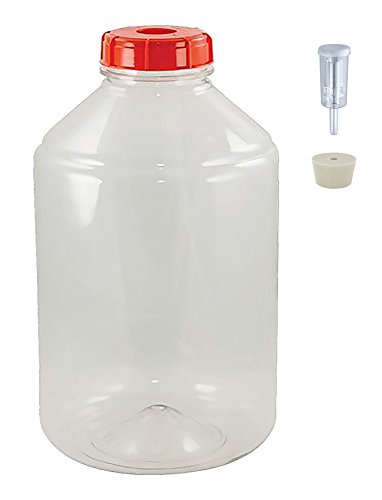
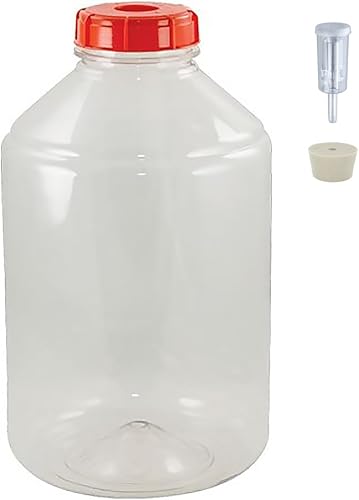
- Includes drilled lid econolock and #10 drilled rubber stopper included
- Lightweight and durable
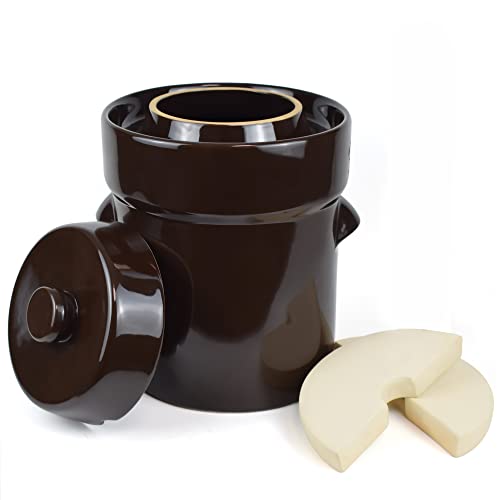
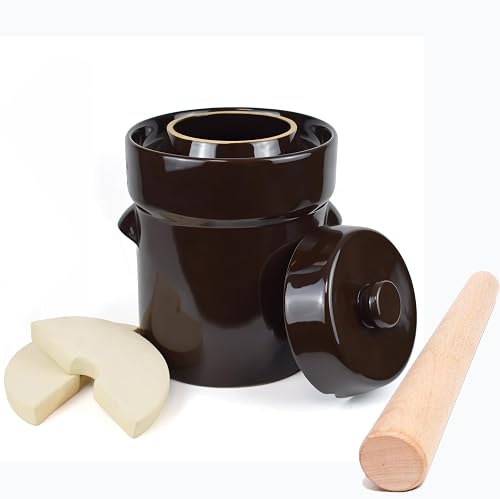
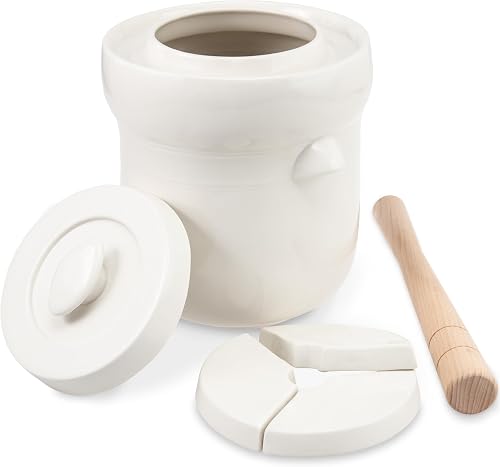
- SUPERIOR QUALITY;Constructed of thick ceramic and finished 2.6 gallon pickling crock suitable for Make nourishing,like german sauerkraut, pickled vegetables, kombucha, and kimchi
- Safe, Sturdy, & Versatile: Made of natural top-quality food-grade double-ceramic, this sturdy Upgrade fermentation crock won’t absorb unwanted smells or tastes & will prevent
Why Most SCOBY Hotels Quietly Die (And How to Spot Trouble Early)
In my experience, SCOBY hotels fail for four predictable reasons — and almost always in this order. Catching them early is the difference between a quick top-off and starting your colony from zero.
1. The Evaporation Sabotage
The liquid slowly drops, the top SCOBY rises above the waterline, and within weeks it dries into a leathery, papery disc. Once that happens, the surface is exposed to oxygen and airborne contaminants — a wide-open door for trouble.
> Pro Tip: Mark the original liquid line on the outside of your jar with a permanent marker. Any drop of more than half an inch is your signal to feed.
2. The Acidity Free-Fall
The pH drifts too low (below ~2.5) and the cultures get over-stressed. They survive, but they sulk. When you finally pull one for a new batch, fermentation takes twice as long and the brew tastes weirdly flat — like the SCOBY is holding a grudge.
3. The Temperature Shock
Wide temperature swings — a draft from a window, a radiator kicking on overnight, the seasonal flip from summer to fall — stress yeast colonies into dormancy or, in worst cases, full die-off. Hotels prefer boring, stable, room-temperature conditions.
4. The Rare-But-Catastrophic Mold Event
Fuzzy blue, green, or black spots on the surface mean the entire hotel is compromised. There's no rescuing it — toss everything, sanitize the jar with boiling water, and start fresh. The good news? If you've maintained acidity properly, this will almost never happen.
The Anatomy of a Bulletproof SCOBY Hotel
Building one is genuinely simple. Doing it well — so it thrives for years instead of limping along for months — comes down to three non-negotiable pillars.
Pillar One: The Vessel
Forget what Pinterest tells you. The jar is not decoration — it's a life-support system. Look for:
- Wide-mouth glass (at least 1 gallon, ideally 2)
- Thick walls that won't crack from temperature shifts
- A breathable cover — tightly woven cloth, not cheesecloth (gnats laugh at cheesecloth)
- A rubber band or hair tie that actually fits snugly
Pillar Two: The Liquid Brew
Your hotel needs a strong, sweet, well-fed environment. Per gallon of water:
- 8 bags of plain black tea (no oils, no flavors, no Earl Grey)
- 1 cup of organic cane sugar (no honey, no stevia, no substitutes)
- At least 2 cups of strongly fermented starter liquid from an active batch
Pillar Three: The Location
A dark cupboard. A pantry shelf. The top of the fridge if your kitchen runs cool. Avoid:
- Direct sunlight (kills the yeast)
- Above the stove (temperature roulette)
- Near citrus or compost (cross-contamination risk)
- The garage (unless you live somewhere with no seasons)
The Feeding Ritual: A 6-Step Routine That Takes 10 Minutes
Every 4 to 6 weeks, your hotel needs a refresh. Here's the rhythm I've settled into after years of trial and error:
- Brew a fresh batch of strong sweet tea using the ratios above. Let it cool completely.
- Inspect the hotel. Smell it (should be sharp, vinegary, clean). Look at it (no fuzz, no oddly colored patches).
- Remove half the old liquid and set it aside — this becomes starter for your next active brew.
- Trim or remove SCOBYs that have gotten thick, brown, or yeast-heavy. Compost the oldest ones.
- Pour in the fresh sweet tea until the SCOBYs are fully submerged with about two inches of headspace.
- Re-cover, label with the date, and return it to its quiet corner.
Long-Term Storage: When Life Gets in the Way
Going on vacation? Slammed at work? Just need a break from brewing? Your hotel can coast for months without intervention — if you set it up correctly before you walk away.
The 3-Month Coast
Feed it generously, top up to within an inch of the rim, and tuck it somewhere cool and stable. Most hotels handle 8 to 12 weeks of neglect without complaint.
The 6-Month Hibernation
Double the starter liquid ratio (cut your sugar slightly) and store somewhere consistently cool — 62°F to 68°F is ideal. The cultures will slow dramatically but stay viable.
The Resurrection Protocol
Returning to a forgotten hotel? Don't panic if it looks rough. Brown, stringy yeast strands are normal. A thick, dark mother SCOBY on top is normal. A funky smell that fades after stirring is normal.
What's NOT normal: fuzzy growth, neon colors, or a smell that makes you gag. Trust your nose — it knows.
Five Habits That Separate Thriving Hotels From Dying Ones
After years of running my own and consulting on friends', I've noticed the brewers with the healthiest long-term colonies all do the same five things:
- They date everything. Masking tape, sharpie, done. No more guessing when the last feed happened.
- They keep their hotel separate from active brews. Cross-contamination from a flavored second ferment can wreck a hotel overnight.
- They use organic sugar exclusively. The trace minerals matter more than you'd think.
- They trust their senses over their timer. A hotel that smells right is right, even if you're two weeks past the schedule.
- They cull SCOBYs ruthlessly. Hoarding every culture leads to a crowded, anaerobic mess. Two to four healthy SCOBYs is the sweet spot.
The Bottom Line
A well-kept SCOBY hotel is the closest thing to a fermentation safety net you can build. It costs almost nothing, takes ten minutes a month, and quietly insures every batch you'll brew for years to come.
Start small. Use a clean jar. Feed it on schedule. Trust your senses. And the next time something goes sideways with your main brew, you won't be panicking — you'll be reaching into the cupboard for a backup that's been waiting patiently for its moment to shine.
Welcome to the patient, generous, slightly weird world of long-term kombucha keeping. Your future self will thank you.
Key Takeaways
- Choosing the right how to maintain a scoby hotel means matching the key features to your specific needs and budget
- Read real customer reviews and check the return policy before you commit
- Also covers: storing extra scobys
- Also covers: scoby hotel jar
- Also covers: long term scoby care
- Compare value across models — the priciest option is not always the best fit


