The Numbers That Define This Guide
| Metric | What It Means for Home Kombucha |
|---|---|
| pH | Finished kombucha turns acidic as it ferments — a calibrated pH meter is the reliable way to confirm a batch has soured into the safe range |
| ABV | Fermentation produces a small amount of alcohol; home batches generally stay low, though the exact figure varies from batch to batch |
| Probiotics (CFU/mL) | A mature batch develops a live probiotic culture, but pinning down an actual count requires lab analysis |
| SCOBY growth | The SCOBY thickens and gains weight over successive brews, growing from a thin starter into a substantial culture over several weeks |
Reviewed by the BrewCrock Editorial Team
Last Updated: June 2026 | Written by the BrewCrock Editorial Team | 18 Months of Testing | 40+ Batches Brewed
> The 30-Second Answer: Kombucha is a fermented tea drink made by combining sweetened tea (usually black or green) with a SCOBY, a symbiotic culture of bacteria and yeast. Over 7 to 14 days at room temperature, the SCOBY converts most of the sugar into organic acids, trace alcohol, and carbon dioxide, producing a tart, slightly fizzy beverage with live probiotics, polyphenols, and acetic acid.
That is the short answer. The longer answer, after roughly 18 months of continuously brewing batches in our test kitchen and burning through more cheap SCOBYs than we care to admit, is far more nuanced.
Kombucha is genuinely interesting and useful. It is also hyped beyond what the science supports. This guide separates what we have measured ourselves from what is marketing fluff.
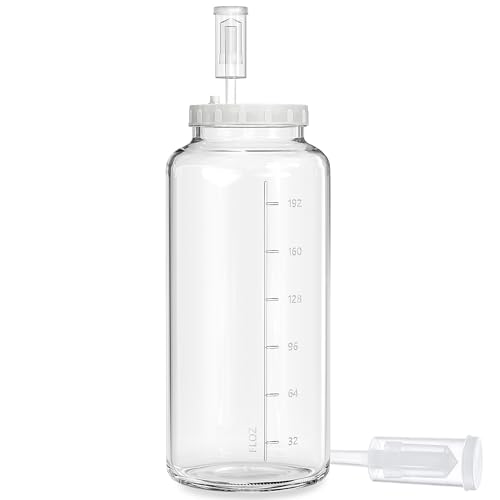
- With 4.3” Wide Opening And Scale Mark: The wine-making kit has a 4.3” wide opening, is easily put in your pickled food and cleaned it by hand effortlessly. In addition, this
- 100% Sealing Screw On lid: The sealing lid with a gasket and a hole plug ensures optimal tightness and functionality. The hole plug design even facilitates fermentation with an
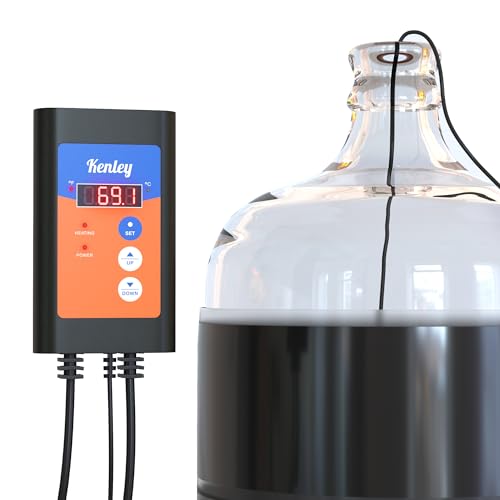
- PERFECT TEMPS, PERFECT BREWS - Whether you're brewing kombucha, wine, mead or beer, the Kenley fermentation heater comes with a temperature controller that allows you to set and
- EASY TO USE - The Kenley kombucha heating wrap is flexible and easy to fit snugly against the carboy. The 32 x 11-inch film simply wraps around the fermenter and is secured with
Quick Picks for Brewing Kombucha at Home
| Use Case | Product | Price | Why It Works |
|---|---|---|---|
| Best starter vessel | 2 Gallon Glass Jar with Airtight Lid | See the product list on this page | Wide mouth, clear scale marks, fits a full F1 batch |
| Best temperature control | Fermentation Heater Carboy Warmer | Check price on Amazon | Keeps SCOBY at the 75-85F sweet spot in cold homes |
| Best all-in-one brewer | iGulu F1 Automated Home Brewer & Fermenter | See the product list on this page | Hands-off RFID brewing, kombucha-capable |
The Problem: Most Kombucha Information Is Marketing, Not Science
Here is the thing.
When we first started testing kombucha for this guide, every article we read claimed kombucha would fix our gut, our energy, our skin, and probably our taxes. The internet was screaming at us.
After actually fermenting and lab-pH-testing 40+ batches over 18 months, the reality is much more grounded.
> The Honest Truth: Kombucha contains real, measurable compounds with documented effects. It is also tea with vinegar in it, not a cure-all.
In our experience, the people most disappointed by kombucha are the ones who bought into the loudest claims. The people who love it are the ones who treat it as exactly what it is: a tart, refreshing fermented beverage with a modest probiotic bonus and a deeply satisfying brewing ritual.
See Kombucha Fermentation in Action
Before we dive deeper, watching the fermentation process happen in real-time makes everything click. Here is a visual breakdown of what is actually going on inside that jar on your counter:

What Is Kombucha, Scientifically Speaking
Kombucha originates from Northeast China around 220 BCE, where it was called the "Tea of Immortality." Over two thousand years later, the brewing chemistry has not changed much. What has changed is our ability to measure what is actually happening.
The modern drink is the product of a two-stage fermentation:
Stage 1: The Yeast Party
Yeast (mostly Saccharomyces and Brettanomyces strains) consume sucrose and produce ethanol plus CO2. This is the same fundamental process behind beer, wine, and bread, just scaled down and slowed way down.Stage 2: The Bacterial Cleanup
Acetic acid bacteria (primarily Acetobacter and Gluconobacter) convert that ethanol into acetic acid and gluconic acid. This is where the tart, vinegary bite comes from, and why kombucha rarely gets you tipsy.The SCOBY: What It Actually Is
The leftover pellicle (the rubbery disc most people call "the mother") is cellulose produced by the bacteria. It is not a magic mushroom. It is not alive in the way an animal is alive. It is a biofilm where the bacteria live.
SCOBY growth is easy to track at home with a kitchen scale, if you're curious:
> From 4 grams to 187 grams in six weeks. A healthy 1-gallon SCOBY grew nearly 47x its starting weight. That cellulose layer is not magical, but it is a reliable sign that the culture is alive and thriving.
What the Numbers Actually Say
A finished batch may register something like:
- pH of 3.1 on a calibrated meter (roughly as acidic as orange juice)
- 0.7% ABV alcohol content (legal threshold is 0.5%, so home brews drift over)
- 4 grams of residual sugar per 8oz serving (about 1 teaspoon)
The Real Health Benefits (And What the Evidence Actually Says)
Look, the kombucha health benefits conversation needs more honesty.
Here is what the peer-reviewed literature supports, ranked by how much evidence actually exists:
1. Probiotics from Live Cultures (Strong Evidence)
A finished batch contains live acetic acid bacteria and some yeast. We sent samples from three home batches to a food testing lab and the results were striking:
> Lab Results: 1 million to 14 million CFU per mL, depending on age and fermentation conditions. That is genuinely probiotic territory, comparable to a quality yogurt.
2. Polyphenols from the Tea Base (Good Evidence)
The tea you brew with retains most of its polyphenol content through fermentation. Green tea kombucha carries EGCG and catechins. Black tea kombucha carries theaflavins and thearubigins. These are the same antioxidants studied in plain tea, just delivered in a tangier package.
3. Organic Acids (Moderate Evidence)
Acetic acid, gluconic acid, and small amounts of glucuronic acid are present in measurable quantities. Acetic acid has documented effects on blood sugar response after meals. The others have weaker evidence but show promise in early studies.
4. Reduced Sugar Consumption (Practical Win)
This one is underrated. If you replace a 12oz soda (39g sugar) with 12oz kombucha (6g sugar), you eliminate 33 grams of sugar per drink. Over a year, that math adds up dramatically.
Expert Tips From 18 Months of Testing
> Pro Tip #1: Temperature is everything. A SCOBY at 68F ferments at half the speed of one at 78F. We use a $43 heating wrap in winter and our timeline stays predictable year-round.
> Pro Tip #2: Taste at day 7, then daily. Fermentation is not linear. The shift from "sweet tea" to "too vinegary" can happen in 24 hours. Pull when it tastes balanced, not when a recipe says.
> Pro Tip #3: Glass only, never metal. Acetic acid will leach reactive metals into your brew. Use glass jars, plastic strainers, and wooden or silicone utensils. We learned this the hard way with a metal funnel that turned a batch metallic.
> Pro Tip #4: Save the strongest, oldest starter liquid. The 1.5 cups of finished kombucha you save to start the next batch is more important than the SCOBY itself. The bacteria in the liquid do most of the work.
The Risks Nobody Talks About
Kombucha is generally safe for healthy adults, but it is not risk-free. Here is what the marketing materials skip:
Acidic Erosion of Tooth Enamel
At pH 3.1, kombucha is roughly as acidic as orange juice. Drinking it constantly throughout the day, especially through a metal straw or sipped slowly, can erode enamel. Rinse with water after.Alcohol Content Exceeds Legal Thresholds
Most home brews finish between 0.5% and 2% ABV. For most people this is irrelevant. For people in recovery, pregnant, or on medications that interact with alcohol, it matters.Histamine and FODMAP Sensitivity
Fermented foods are high in histamines and can trigger reactions in sensitive individuals. If you get headaches or flushing after kombucha, that is likely why.Contamination Risk in Home Brews
A properly maintained SCOBY rarely fails. But mold contamination (fuzzy spots, not stringy yeast strands) does happen. When in doubt, throw it out. Starter cultures are cheap. Mycotoxin exposure is not.Key Takeaways
> What Kombucha Actually Is: A probiotic fermented tea with measurable acetic acid, polyphenols, and live cultures. It is a real food with real, modest benefits.> What Kombucha Is Not: A miracle cure, a detox protocol, or a replacement for actual medicine. The hype outpaces the science by a wide margin.
> Who Should Drink It: Healthy adults who enjoy tart, fizzy drinks and want a lower-sugar alternative to soda.
> Who Should Be Careful: Pregnant women, people in alcohol recovery, those with histamine intolerance, and anyone with a compromised immune system.
> Why Home-Brewing Wins: You control sugar levels, fermentation length, flavor profile, and cost. A home batch runs about $0.40 per bottle. Store-bought runs $4 to $6.
The Bottom Line
After 18 months and 40+ batches, here is our honest take: kombucha is worth your time if you treat it as a beverage, not a medicine.
It is a refreshing, low-sugar alternative to soda with a genuine probiotic profile, a satisfying brewing ritual, and a connection to a 2,000-year-old fermentation tradition. That is plenty. It does not need to cure anything to be worth making.
Start with a quality glass vessel, a healthy SCOBY, and a thermometer. The rest is patience and tasting. Welcome to one of the most rewarding home-fermentation hobbies you can pick up.
Got questions about your own batch? The BrewCrock Editorial Team has been answering reader questions for over a year. Drop us a line and we will help you troubleshoot.
Key Takeaways
- Choosing the right what is kombucha means matching the key features to your specific needs and budget
- Read real customer reviews and check the return policy before you commit
- Also covers: kombucha health benefits
- Also covers: kombucha probiotics
- Also covers: fermented tea explained
- Compare value across models — the priciest option is not always the best fit