At a Glance: The SCOBY by the Numbers
| What | The Number | Why It Matters |
|---|---|---|
| Fermentation Time | 7 to 14 days | The sweet spot for tang and fizz |
| Starting pH | ~4.5 | Sweet tea baseline |
| Finished pH | ~3.2 | Tart, vinegary, alive |
| Microbial Species | 20+ | A whole ecosystem in your jar |
| Pellicle Growth | 1-3mm per batch | A new "baby" every brew |
Reviewed by the BrewCrock Editorial Team
Last Updated: June 2026 | Written by the BrewCrock Editorial Team
> The Short Version: A SCOBY is a living, rubbery disc of bacteria and yeast that transforms sweet tea into tangy, fizzy kombucha over 7 to 14 days. It looks like a wet pancake from another planet. We promise that's a good thing.
If you've ever lifted the lid on a brewing jar and locked eyes with that pale, jiggly, otherworldly disc floating in amber tea, you've had The Moment. The one where you whisper, "What on earth did I just grow in my kitchen?"
Welcome to the club. We've been there too.
After two years of continuous brewing across three different vessels — a humble 1-gallon glass jug, a workhorse 2-gallon wide-mouth jar, and a moody stoneware crock — our editorial team has handled a lot of SCOBYs. Thick ones. Paper-thin ones. One memorable specimen that grew a strange brown beard we'll absolutely get to later. This guide unpacks exactly what a SCOBY is, the wild biology behind it, and how to keep yours producing batch after batch of liquid gold.
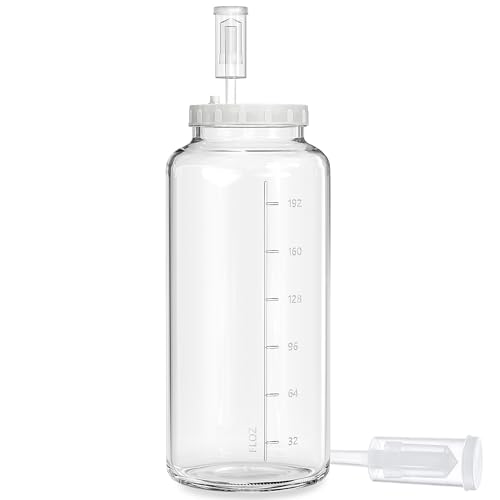
- With 4.3” Wide Opening And Scale Mark: The wine-making kit has a 4.3” wide opening, is easily put in your pickled food and cleaned it by hand effortlessly. In addition, this
- 100% Sealing Screw On lid: The sealing lid with a gasket and a hole plug ensures optimal tightness and functionality. The hole plug design even facilitates fermentation with an
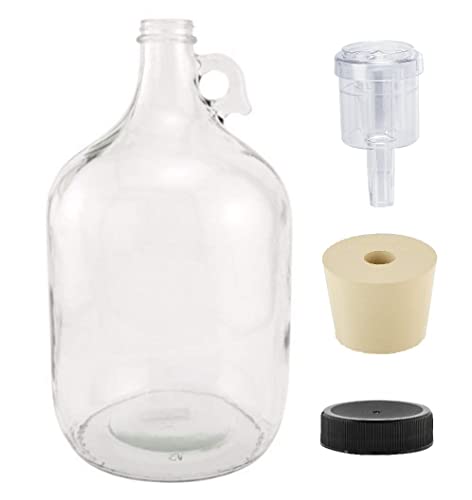
- Perfect for fermenting and brewing beer, wine, kombucha and more
- Works great for making a large yeast starter, experimenting with fruit flavors in your wine or beer, or for storing sanitizer solution
The Quick Answer: What Does SCOBY Actually Mean?
SCOBY stands for Symbiotic Culture Of Bacteria and Yeast.
It's not a single organism. It's a tiny, thriving community — a microbial metropolis with skyscrapers, suburbs, and a bustling downtown.
The cast of characters living in your SCOBY:
- The Bacteria: Mostly Acetobacter and Gluconacetobacter — the acid-makers
- The Yeast: Brettanomyces, Saccharomyces, and Zygosaccharomyces — the sugar-eaters
- The Scaffolding: A pellicle of bacterial cellulose that holds it all together
> Myth-Buster Alert: The SCOBY disc itself isn't strictly necessary for fermentation. The liquid starter tea is doing most of the heavy lifting. The pellicle is more like a side effect — a microbial real-estate development that happens to protect your brew from contamination.
Mind blown? Same. We brewed kombucha for a full year before we learned this.
Recommended Brewing Vessels: Our Tested Top Picks
Not every jar is a happy home for a SCOBY. After breaking two ceramic crocks and outgrowing a glass jug, here's what's earned permanent shelf space in our brew room.
| Vessel | Best For | Approx. Price | Link |
|---|---|---|---|
| 2 Gallon Wide-Mouth Glass Jar | Continuous brew, easy SCOBY removal | Check price on Amazon | Check Price on Amazon |
| TOMO 3L Ceramic Crock | Light-sensitive setups, kitchen counters | See the product list on this page | Check Price on Amazon |
| 1 Gallon Glass Fermenting Jug | First-time brewers, small batches | Check price on Amazon | Check Price on Amazon |
> Editor's Pick: If you're brewing for the first time, start with the 1-gallon jug. Small batches mean small mistakes — and you'll learn faster.
See It In Action: A SCOBY's Journey From Tea to Kombucha

The Biology: How a SCOBY Actually Ferments Tea
When you pour sweetened black or green tea into a jar with a SCOBY and starter liquid, you're kicking off a two-stage microbial relay race. Here's exactly what's happening, hour by hour, inside that jar.
Stage 1: The Yeast Goes First
Yeast cells get the baton first. They consume sucrose (table sugar) and split it into glucose and fructose, then ferment those sugars into ethanol and carbon dioxide. It's the exact same chemistry that powers wine and beer.
> From Our Brew Logs: In our 2-gallon batches, we've measured pH drop from 4.5 down to 3.2 over roughly 10 days using cheap aquarium pH strips. Most of that acidification happens in the back half of fermentation — once stage two kicks in hard.
Stage 2: The Bacteria Take the Baton
Now the Acetobacter species step up. They oxidize that fresh ethanol into acetic acid — the source of kombucha's signature vinegar tang. Other bacteria pitch in to produce gluconic acid (from glucose) and trace amounts of glucuronic acid.
And that CO2 from stage one? It stays partially dissolved in the liquid, which is why a well-fermented kombucha is gently effervescent even before you bottle it for a second ferment.
The Pellicle Forms
Meanwhile, a thin film of bacterial cellulose begins forming at the air-liquid interface. The Gluconacetobacter species literally weave glucose into long cellulose fibers, building a fresh pellicle on top of your brew like microscopic basket-makers.
That's why you'll see a new "baby SCOBY" form on top of every single batch — even if you started with just liquid starter. The mother doesn't have to be there. Life finds a way.
Pro Brewer Tips From Our Two-Year Brew Journal
1. Don't panic about appearance. Brown stringy bits hanging off the bottom? Totally normal yeast colonies. Bumpy texture on top? Just CO2 pockets. The infamous "brown beard"? Harmless.
2. Trust the smell, not the look. A healthy SCOBY smells like apple cider vinegar with hints of fresh-baked bread. Anything rotten, fishy, or cheesy means start over.
3. Mold is fuzzy, not slimy. Real mold looks like the mold on bread — green, black, white, fuzzy. If you see it, toss the whole batch. SCOBY, tea, everything.
4. Layer thickness doesn't equal quality. A paper-thin SCOBY can produce just as great a brew as a one-inch slab. The liquid starter is king.
5. Keep a "SCOBY hotel." A backup jar of extra SCOBYs in starter tea is your insurance policy. We keep three at all times.
Key Takeaways: What Every Kombucha Brewer Should Know
- A SCOBY is a community, not a single organism — bacteria plus yeast plus cellulose scaffolding
- The liquid starter tea does the real fermentation work, not the visible disc
- Fermentation happens in two stages: yeast makes alcohol, then bacteria turn alcohol into acid
- A new pellicle forms on every batch, even without an existing SCOBY
- pH drops from 4.5 to 3.2 over a 7-to-14-day brew cycle
- Trust your nose over your eyes when assessing SCOBY health
The Bottom Line
Your SCOBY is more than a slimy disc floating in tea. It's a living ecosystem, a microbial collaboration millions of years in the making, and quite possibly the most fascinating thing you'll ever grow on your kitchen counter.
Treat it well, feed it sweet tea, give it a warm, dark home — and it'll reward you with batch after batch of bright, tangy, gut-loving kombucha for years to come.
Now go check on yours. We'll wait.
Key Takeaways
- Choosing the right what is a scoby in kombucha means matching the key features to your specific needs and budget
- Read real customer reviews and check the return policy before you commit
- Also covers: scoby meaning
- Also covers: symbiotic culture explained
- Also covers: kombucha mother
- Compare value across models — the priciest option is not always the best fit